When we talk about air pollution, most people imagine city smog or visible dust. The real danger, however, is what you don’t see.
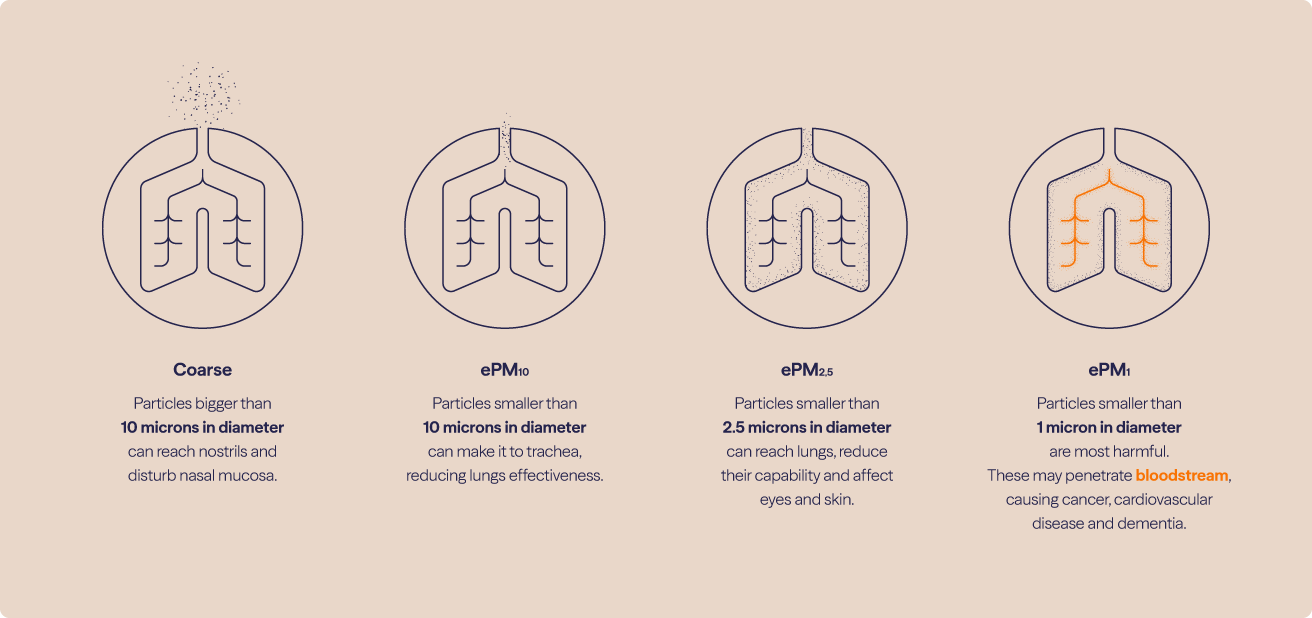
PM1-s are microscopic particles smaller than 1 micron in diameter. For perspective, a human hair is about 70 microns wide. These particles may be invisible, but their effect on your property’s air and people’s health is enormous.
What Is PM1 and Where Does It Come From?
PM1 particles are so fine they stay suspended in the air for long periods and easily travel through ventilation systems. They come from both outside and inside your building:
- Traffic & transport: exhaust fumes, brake and tire wear
- Indoor sources: wood stoves, tobacco smoke, candles, cooking, office equipment
- Industrial processes: furnace exhaust, ultrafine dust, nanoplastics
- Biological matter: viruses and bacteria fragments
For property owners and manufacturing facility managers, this means PM1 isn’t just an “outdoor problem.” It’s already inside.
Why Is PM1 So Harmful?
Unlike larger particles (PM10, PM2.5), PM1 slips past natural defenses, reaching deep into the lungs and even entering the bloodstream. Once inside, the risks are serious:
- Cardiovascular disease: higher risk of heart attacks and strokes
- Respiratory problems: worsened asthma, COPD, and other lung conditions
- Cancer: diesel exhaust (rich in PM1) is officially classified as carcinogenic
- Cognitive decline: linked to dementia and reduced mental performance
For businesses, this isn’t just a health issue— it affects productivity, guest experience, and brings along long-term costs.
Who’s Most at Risk?
PM1 affects everyone, but some groups are especially vulnerable:
- Children—they breathe faster, lungs are still developing.
- Elderly people.
- Anyone with heart or lung conditions.
- Urban residents near busy roads or industries.
- Office and manufacturing staff spending long hours indoors.
Protecting these groups is more than compliance—it’s your responsibility as an employer or a landlord.
How Can You Protect Against PM1?
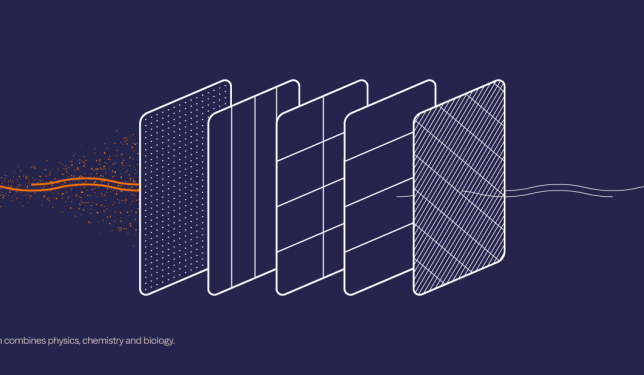
Not all filters are built for PM1. According to EN ISO 16890, only filters rated ePM1 are proven to capture these ultrafine particles.
- For general indoor protection choose ePM1 ≥ 50%
- For sensitive environments—hospitals, schools, spas, wellness center—choose ePM1 ≥ 70%
You also need to balance filtration capability with energy performance, so your HVAC system stays cost-effective.
Smart Filters
At Vado, we start with checking the property to find the right solution for your specific conditions. Only then we can choose filters that are scientifically proven and energy smart:
- Verified ePM1 performance under EN ISO 16890.
- Optimized for low pressure drop to keep energy bills down.
- Tailored recommendations for malls, offices, industrial sites, healthcare facilities, and more.
With the right filters, you protect people, improve air quality, and lower your carbon footprint.
Key Takeaways for Facility Managers & Building Owners
- PM1 is the most dangerous indoor pollutant: invisible, invasive, and harmful
- Major sources: traffic, combustion, smoke, office equipment, industry
- Health risks: cardiovascular disease, lung conditions, cancer, dementia
- High-risk groups: children, elderly, those with existing health conditions
- Only ePM1 filters (EN ISO 16890) can provide reliable protection
- Smart filters combine healthier air with lower operating costs
People in buildings that run on filters rated only for PM10 or PM2.5 aren’t fully protected. Upgrading to ePM1 filters is the simplest step toward safer, healthier, and more sustainable indoor environments.
///
Abbreviations
PM – Particulate Matter
PM10 –Particles ≤ 10 µm
PM2.5 – Particles ≤ 2.5 µm
PM1 – Particles ≤ 1 µm
EN ISO 16890 – International standard for air filter classification
COPD – Chronic Obstructive Pulmonary Disease
HVAC – Heating, Ventilation, and Air Conditioning